Vybělení bílé plomby: Co se stane, když se zbarví, a jak to opravit
When you get a bílá plomba, kompozitní výplň, která se přizpůsobí přirozené barvě vašich zubů a slouží jako estetická náhrada za poškozenou část zubu. Also known as kompozitní výplň, it is designed to blend in so well that no one notices you’ve had work done. But over time, even the best white fillings can start to look yellow, gray, or stained — especially if you drink coffee, tea, or red wine regularly. Unlike natural tooth enamel, which responds to professional whitening treatments, the material in a white filling doesn’t bleach the same way. That’s why many people are surprised when their teeth look brighter after a whitening session — but the filling still looks dull.
Why does this happen? White fillings are made from plastic resin mixed with glass or quartz particles. While they look great at first, they’re not as resistant to stains as porcelain or ceramic crowns. Over time, tiny pores in the material absorb pigments from food, drinks, and even tobacco. Smoking, dark sodas, and balsamic vinegar are especially tough on them. And if your filling is old — say, more than five to seven years — the edges can start to break down, letting bacteria and stains sneak in. This isn’t just an aesthetic problem. A discolored filling can signal that it’s starting to leak or has developed secondary decay underneath.
So what can you do? First, don’t panic. You don’t always need to replace the filling. Sometimes, a simple professional cleaning and polishing by your dentist can restore some of the shine. But if the discoloration is deep or the filling is worn, replacement is the only reliable fix. And here’s the key: if you plan to whiten your teeth, do it before getting a new filling. That way, your dentist can match the new restoration to your newly brightened smile. If you whiten after, you’ll end up with mismatched teeth and fillings again. Also, avoid abrasive toothpastes — they scratch the surface of fillings and make staining worse faster.
Many people don’t realize that bělení zubů, profesionální nebo domácí proces, který odstraňuje povrchové i hluboké skvrny z přirozené skloviny zubů. Also known as zubní bělení, it is one of the most popular cosmetic dental procedures today doesn’t affect fillings, crowns, or veneers. That’s why people who’ve had dental work done often end up with uneven smiles after whitening. The solution? Either live with the mismatch, or plan ahead. If you’re thinking about whitening, talk to your dentist about your fillings. They can check if any need replacing before you start.
And if you’re already dealing with a discolored filling, don’t wait. The longer you ignore it, the more likely it is that the problem is growing under the surface. A small stain might mean a tiny gap is letting bacteria in. Left unchecked, that can lead to new cavities, sensitivity, or even infection. Replacing a filling is a quick, routine procedure — usually done in one visit. Modern materials are more durable and stain-resistant than ever. And if you’re worried about cost, remember: fixing it now saves you from bigger, more expensive problems later.
What you’ll find below are real-life stories and practical guides on exactly this. From how to spot early signs of filling deterioration, to why some whitening products make the problem worse, to how to choose the best material for your next restoration. We’ve gathered tips from dentists and patients who’ve been through it — no fluff, just what works.
- října
28
2025 - 5
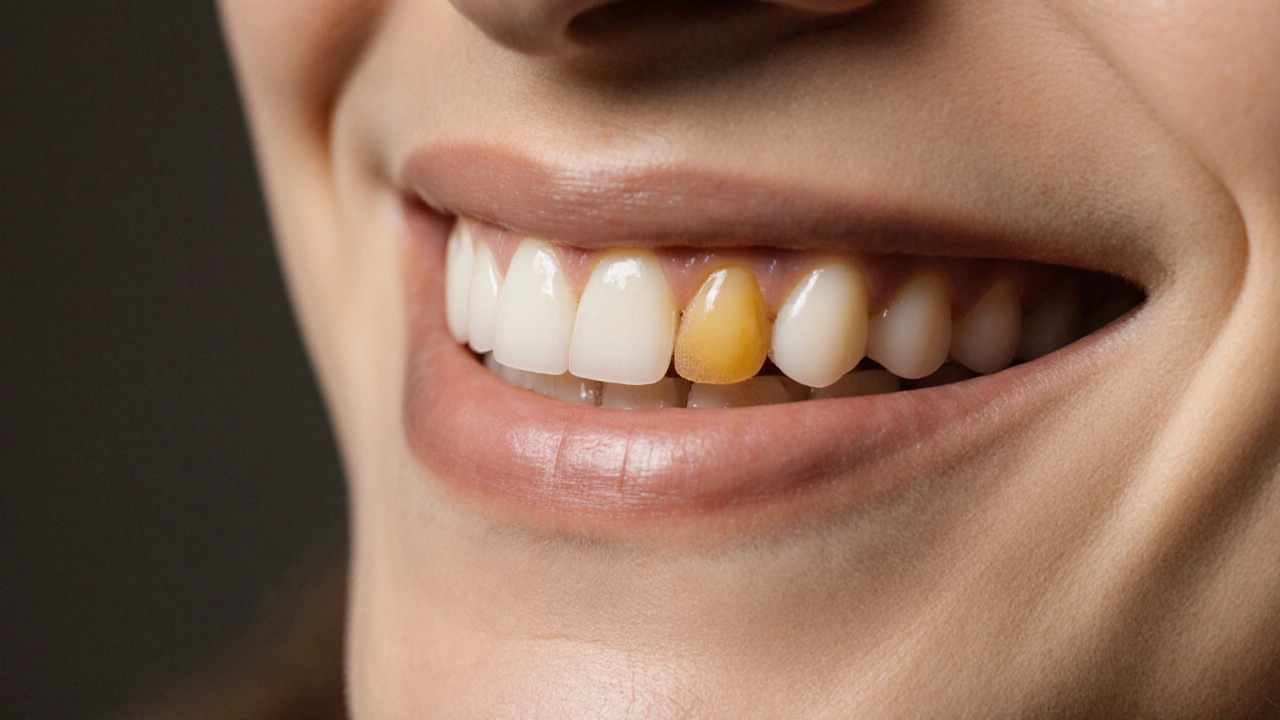
Jak vybělit bílou plombu: praktické rady pro zubní plomby v domácích podmínkách
Bílá plomba se nevyběluje jako zuby. Zjistěte, proč domácí metody selhávají, jak plombu správně vyměnit a kdy se obrátit na zubního lékaře pro estetické řešení.
Číst více